
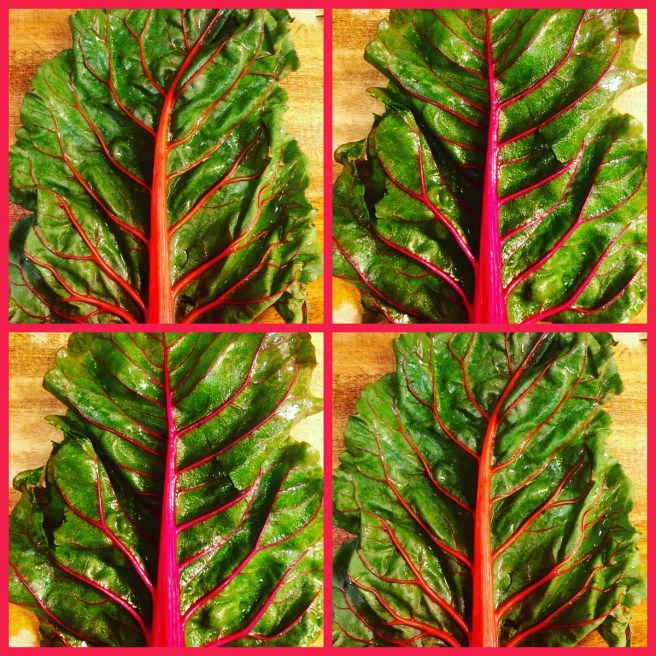
I’ve said it before and I’ll say it again…not all calories are created equal and food is medicine! I have been having so much fun playing with colorful Rainbow Chard lately! Beyond the fact that it provides a rainbow of colors to your meals, this mighty leafy green packs a powerful nutritional punch, providing over 700% of your daily needs for vitamin K and over 200% of daily vitamin A needs in just one cup!
Vitamin K is a fat-soluble vitamin – a vitamin absorbed in fat globules that travel through the lymphatic system of the small intestines and into the general blood circulation within the body and are then stored in body tissues. Vitamin K plays an important part in blood clotting but is also absolutely essential to building strong bones, preventing heart disease, and is a crucial part of other bodily processes. Vitamin A, another fat-soluble vitamin, plays an important role in the growth and development of several systems in the body; including healthy vision (especially in dim lighting) by creating pigments that are needed to help keep the retina of the eye healthy. Vitamin A helps produce the protein rhodopsin, which absorbs light in the retina and helps support the growth and development of the cornea and other membranes of the eye. It also plays important roles in the development of bones, including the teeth, aids immune function, and helps provide a barrier against infections of the skin, lungs and mouth. Some studies also suggest there may be a link between vitamin A consumption and a decreased risk of the development of some cancers.
Food is medicine! One of the most interesting things I learned about this vegetable was that Chard contains magnesium and potassium, two minerals that when taken in supplement form will not provide the same health benefits as when they are consumed in food. Chard contains both of these healthy minerals and can help improve intake, especially with magnesium.
And if you needed even more reasons why this beautiful leafy green is beneficial for you, here you go:
Lowering Blood Pressure
Swiss/Rainbow chard contains high levels nitrates, which been shown to lower blood pressure, reduce the amount of oxygen needed during exercise and enhance athletic performance. People who consume diets that are low in the minerals calcium, magnesium and potassium are more likely to have high blood pressure. These minerals are thought to bring blood pressure down by releasing sodium out of the body and helping arteries dilate. According to a 2013 study published in the British Journal of Clinical Pharmacology, foods high in dietary nitrates like Swiss chard have been shown to have multiple vascular benefits, including reducing blood pressure, inhibiting platelet aggregation, and preserving or improving endothelial dysfunction.
Combating Cancer
Swiss chard contains chlorophyll, which has shown to be effective at blocking the cancer-causing heterocyclic amines generated when grilling foods at a high temperature. Heterocyclic amines and polycyclic aromatic hydrocarbons (PAHs) are chemicals formed when muscle meat, including beef, pork, fish, or poultry, is cooked using high-temperature methods, such as pan frying or grilling directly over an open flame. Make sure to consume leafy greens and other vegetables high in chlorophyll along with grilled meats to hinder some of their carcinogenic effects.
Managing Diabetes
Swiss chard contains an antioxidant known as alpha-lipoic acid, which has been shown to lower glucose levels, increase insulin sensitivity, and prevent oxidative stress-induced changes in patients with diabetes. n Oxidative stress is basically an imbalance between the production of free radicals and the ability of the body to counteract or detoxify their harmful effects through neutralization by antioxidants. Studies on alpha-lipoic acid have also shown decreases in Peripheral Neuropathy and Autonomic Neuropathy. Peripheral Neuropathy is damage to the vast communications network that transmits information between the central nervous system, the brain and spinal cord, and every other part of the body. Autonomic Neuropathy autonomic neuropathy occurs when the nerves that control involuntary bodily functions are damaged. This may affect blood pressure, temperature control, digestion, bladder function and even sexual function. The nerve damage interferes with the messages sent between the brain and other organs and areas of the autonomic nervous system, such as the heart, blood vessels and sweat glands.
.
Preventing Osteoporosis
Adequate vitamin K consumption can improve bone health by acting as a modifier of bone matrix proteins, improving calcium absorption and reducing urinary excretion of calcium. Low intakes of vitamin K have been associated with a higher risk for bone fracture. Increase your vitamin K intake with leafy greens such as Swiss chard, arugula and spinach, which also add extra calcium to the diet.
Improving Athletic Performance
Dietary nitrates have been shown to improve muscle oxygenation during exercise, suggesting that an increased dietary nitrate intake has the potential to enhance exercise tolerance during long-term endurance exercise and possibly improve quality of life for those with cardiovascular, respiratory, or metabolic diseases who find activities of daily living difficult because of lack of oxygenation.
Increase Breastmilk Production & Help Reduce Symptoms of Menopause
A diet rich in leafy green vegetables including chard, collard greens, kale, spinach, and beet leaves are rich in minerals, calcium and iron to support breastfeeding and are high in phytoestrogens. Phytoestrogen is a naturally-occurring plant nutrient that exerts an estrogen-like action on the body and is believed to promote healthy breast tissue and lactation.
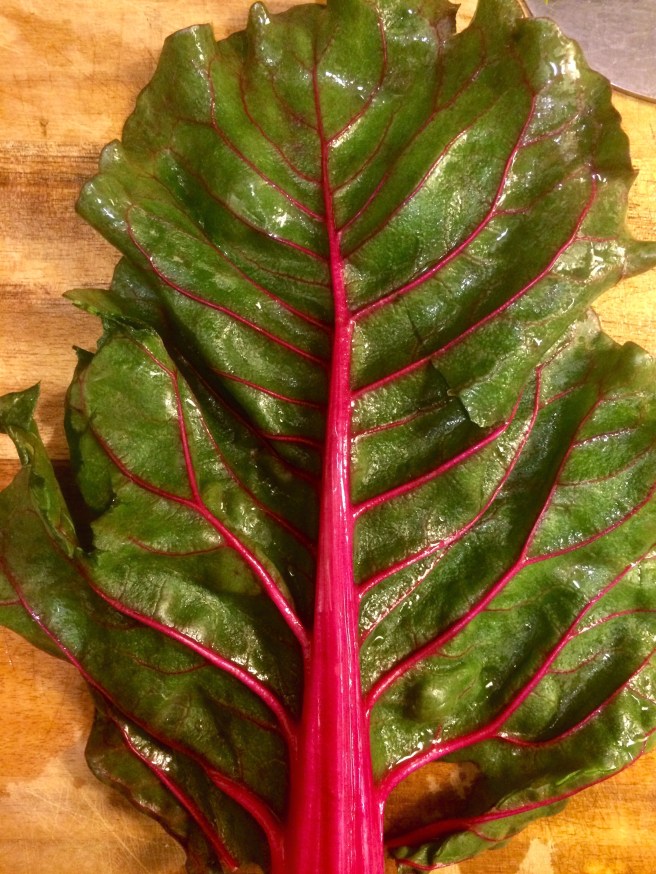
So hooray for Chard! It may not have the most glamorous name but it sure is pretty and dang, can it do a lot for your body!!!
 Jen Thorn Fit