What I’m cooking this week…

In an effort to maintain some level of sanity (and let’s be honest, avoid having to clean my kitchen again), I’m only going to cook 3 nights a week and we will make do with leftovers now and again!  I had a ton of chicken in our deep freezer so it will be a week heavy on chicken but that’s okay!  It will still be easy and delicious.  Here’s what’s on the menu:

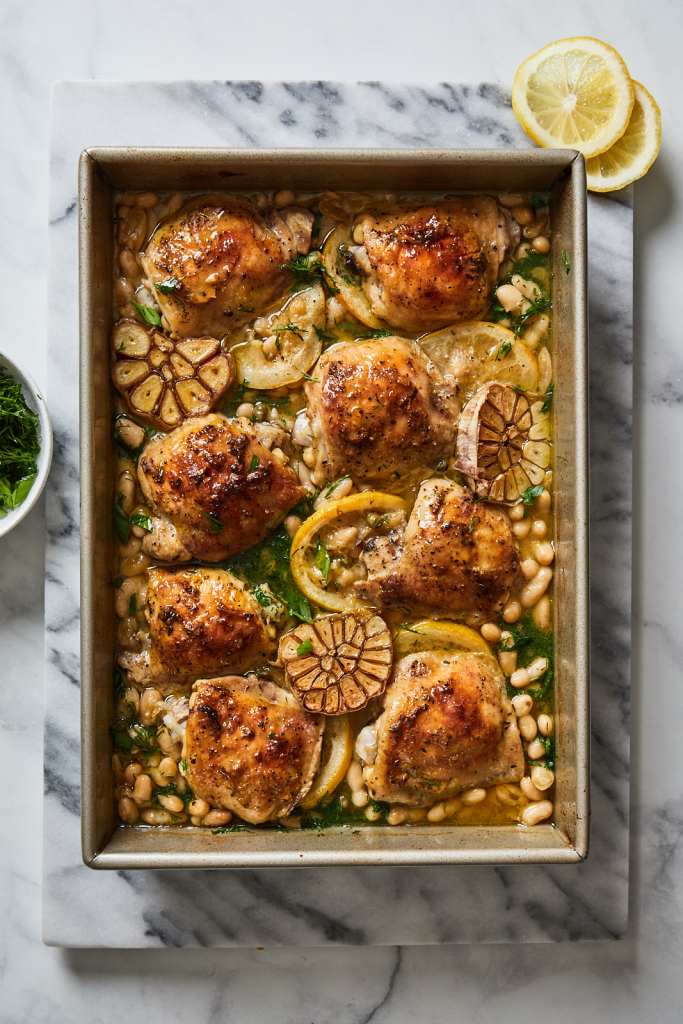
Monday: Roasted Chicken with White Beans served with Roasted Brussel Sprouts

Wednesday: Beer Brats with Roasted Onions & Peppers served with Caesar Salad

Friday: Linguini Alfredo with Italian Chicken served with Green Beans

Here’s the first two recipes!

Photo courtesy of Olive & Mango


Roasted Chicken with White Beans served with Roasted Brussel Sprouts
Recipe from Olive & Mango

Ingredients

2 (15-ounce) cans white beans, drained and rinsed

2 tablespoons capers with brine

8 teaspoons Dijon mustard

Salt and pepper to taste

½ tsp oregano

8 skin-on bone-in chicken thighs (about 2 pounds)

1 large lemon, zested then thinly sliced, seeds removed, plus extra for serving

1-2 whole heads of garlic cut in half horizontally

4 tbsp of white wine (optional)

⅓ cup of chicken broth or water

2 tablespoons olive oil

2 tablespoons coarsely chopped fresh parsley

2 tsp chopped scallions

2 tsp chopped dill

Directions

Preheat to 425°F. Toss beans, and capers and lemon zest in a 13×9” baking dish and spread out evenly on bottom of pan and season with salt and pepper.

Pat chicken dry and season with salt, pepper and oregano.  Spread 1 tsp. mustard on skin of each chicken thigh and nestle, skin side up, into beans and capers. Arrange lemon slices under and around chicken then arrange garlic head halves in pan and add enough water (about ⅓ cup) to come up sides of chicken by ½”. Drizzle chicken with oil and season whole dish with a little more salt and pepper.

Roast chicken, stirring and shaking dish halfway through, until skin is browned and an instant-read thermometer inserted into thickest part of chicken registers 165°F, about 45-50 minutes.

Transfer chicken, beans, lemon slices, and capers to a serving platter. Toss the beans with the fresh parsley dill and scallions and serve with chicken and extra lemon wedges.

Bonus – serve with chopped preserved lemon for more lemony zing

Photo Courtesy of Cravings of a Lunatic

Beer Brats with Drunken Peppers & Onions and Caesar Salad
Recipe courtesy of my husband – it’s his favorite

For Brats:
– 3-4 cans of beer (we prefer lager)

– 1-2 packages of beer brats

– 1 red pepper sliced

– 1 green pepper sliced

– 1 onion sliced

Put everything together in a large sauce pan. Bring to a boil and then turn down heat and let simmer for 45 mins. Meanwhile, heat grill and grill outside of brats or fry on stovetop until brats reach desired crispness. Drain veggies from beer liquid and sauté in brat pan until edges are just browned. Serve with your favorite toppings – sauerkraut, relish, ketchup, mustard, bbq sauce. We paired with a Caesar salad and our favorite litehouse organics Caesar salad dressing!

Waste not, want not…

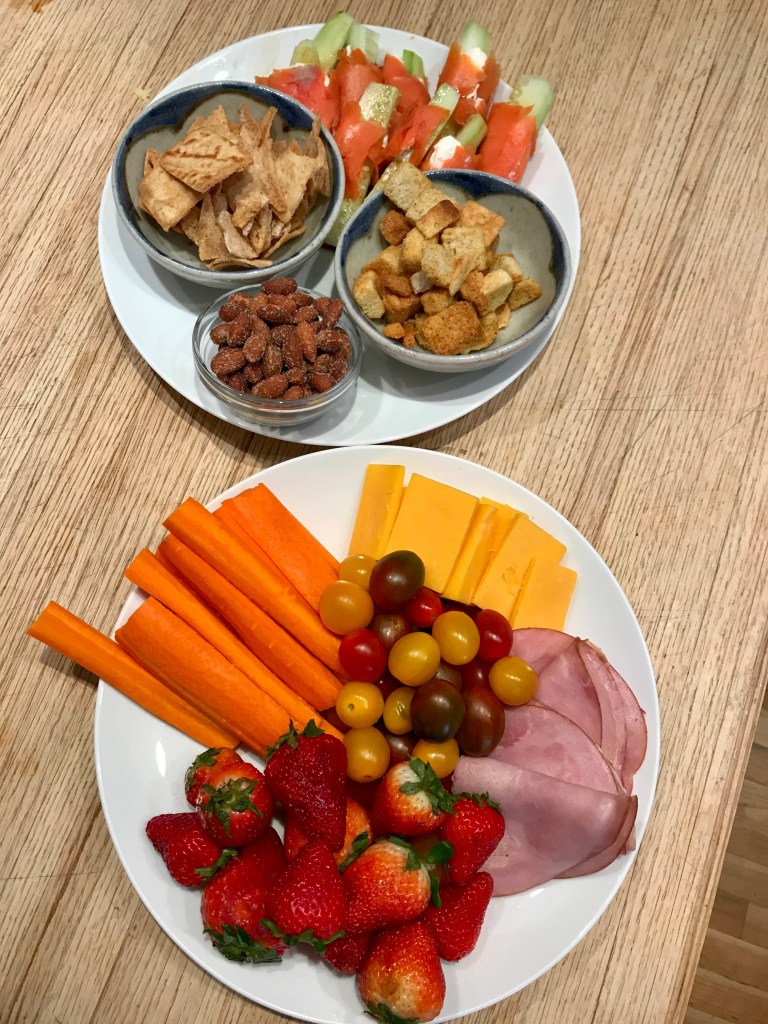
We all have them, those random baggies and tupperwares of food leftover from recipes where we didn’t quite use everything…half a cucumber, a few stray carrots, maybe some random slices of cheese, and leftover salmon from dinner the night before. On their own it doesn’t seem like much, but together (strategically plated), it can make for a delicious, nutrient dense meal for your family – enter the snack lunch or snack dinner! And don’t worry about things that seemingly “don’t fit together,” consider this your art project for the day: there are no rules, just make it look pretty.

Typically when creating a snack lunch or dinner, I pull everything out of my fridge that doesn’t really have much leftover or that I’ve used a portion of. I’ll lay it all out on my countertop and think about what pairs together well. For example, yesterday I had some leftover smoked salmon, half a cucumber, and some cream cheese. I spread the cream cheese on the slices of salmon, then wrapped them around narrowly sliced and peeled cucumber.

When I served this at lunch time, my son Ethan proclaimed “cucumber in a blanket!”. I also threw some random leftover fruit, nuts, pita chips, and anything else I could find to make it look pretty (that’s a key element here).

In an effort to not throw away any food, we’ve been trying to repurpose any stray leftovers for our snack lunch trays. The kids love it because it creates a family dining experience and encourages them to play with their food. When creating a healthy relationship with food, it’s important as parents we teach our children that food should be FUN! I love serving my kids this way because we talk about the textures, the hard foods, the soft foods, the colors, and then I get to watch their creativity come alive! Last week we sliced up leftover cucumbers and halved grape tomatoes – they decided to make “cucumber hats” and completely devoured the entire plate of veggies. If there’s anything I’ve learned about instilling a healthy relationship with food in your children and ensuring that they have a broad and healthy nutrient-rich diet, it’s to serve foods creatively. Perhaps they don’t like tomatoes in a salad, but “cucumber hats” are fun for everyone!

Remember, especially during our current circumstances, no fuss meals are a great way to ensure your family is eating nourishing food without much effort!

Fluffy Pancake Secret Weapon: Buttermilk

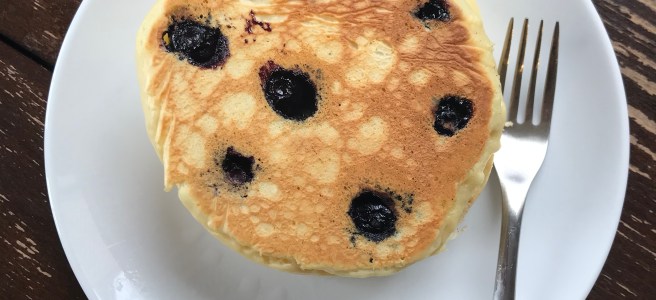
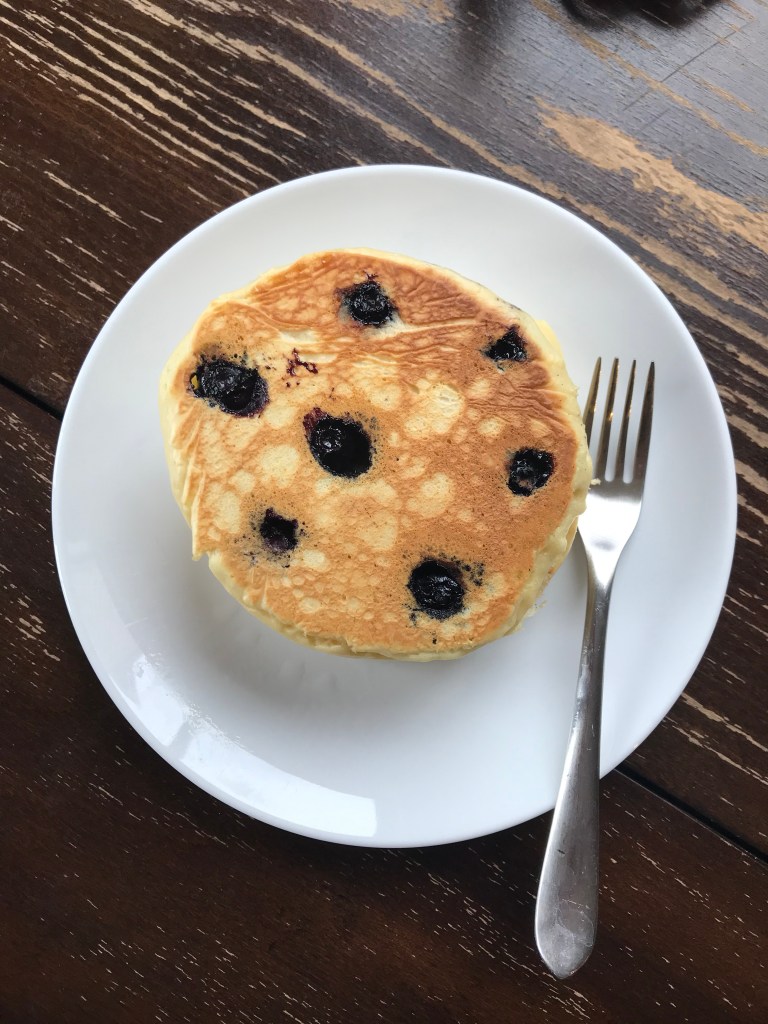
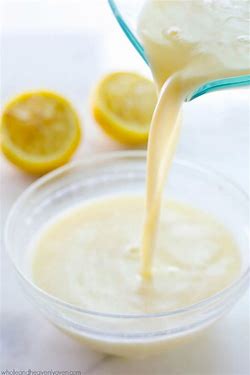
If you follow me on social media, you have probably been watching our adventures through pancake land.  We’ve found 100 different ways to make a pancake, but here’s the recipe we’re currenty using as our base.  We change the toppings, add fruit, even veggies (we made a spinach pancake two weeks ago, but shhh, don’t tell my kids I snuck spinach in there, wink wink).  The secret to the best, fluffiest, delicious pancakes ever???  Buttermilk?  Don’t have any?  No problem!  Substitute regular milk, and for every 1 cup of milk add 1 tablespoon of lemon juice or distilled white vinegar. 

Best Buttermilk Pancakes
Recipe from Mom on Timeout

Ingredients

2 cups all-purpose flour

2 tsp baking powder

1 tsp baking soda

½ tsp salt

2 tbsp granulated sugar

2 cups buttermilk

2 large eggs lightly beaten

1 tsp vanilla extract optional

Instructions

Whisk together the dry ingredients in a large bowl or, as I frequently do, a large glass measuring cup. Whisk in the buttermilk, eggs and vanilla extract just until combined. Some small lumps are okay.

Let pancake batter rest for 10 minutes. Heat a large skillet or griddle over medium-high heat. Spray with non-stick cooking spray OR brush with butter or oil. Ladle 1/3 – 1/2 cup batter onto the griddle for each pancake. Flip the pancakes over when small bubbles appear on the surface and continue cooking on the opposite side until golden brown. Serve with butter and syrup. Enjoy!

Purposeful Movement Mentorship

The Purposeful Movement Mentorship is a 3 week supportive mentorship program for women and moms. This is the ideal learning platform for those who can’t get to a group class for exercise, want to learn how to optimize their time, and are just needing support in feeling strong, energetic, and empowered.


It doesn’t matter where you live, because this group is run through several private online platforms and teaches movement principles for function; we will break down the nitty gritty of the best ways to hold our bodies and move them through daily activities (i.e. driving in a car, holding and picking up kids/heavy things, breathing, pelvic floor activation and relaxation, sitting at our desks, cleaning the house etc.).


This Purposeful Movement Mentorship is very personal and focused. Instead of giving you a video to workout to, I will be leading the workouts through a private facebook group. All the workouts will stay on our group page so you can choose to do them live with me or at a time that works for you and your individual schedule.  These workouts will be inspired by pilates, yoga, barre, and resistance training, using light handheld weights and with minimal jumping/impact.  I’m going to teach all of you what I’ve learned over my many years of training and what I have found to be the most effective way to move that promotes, health, strength, and energy.  In addition to live workouts 3 times a week, I will also be doing live videos to cover a range of topics from nutrition to fitness and everything in between…trust me when I say no topic will be taboo!


Your investment in the group is $19.99 for 3 weeks of focused mentorship and training.


Is this something you might be interested in doing with me?  If so, email me here: jenthornfit@gmail.com. Mentorship Begins: Monday, July 9, 2018.

Habits, Triggers, and Wine vs. La Croix…


IMG_1207.JPG

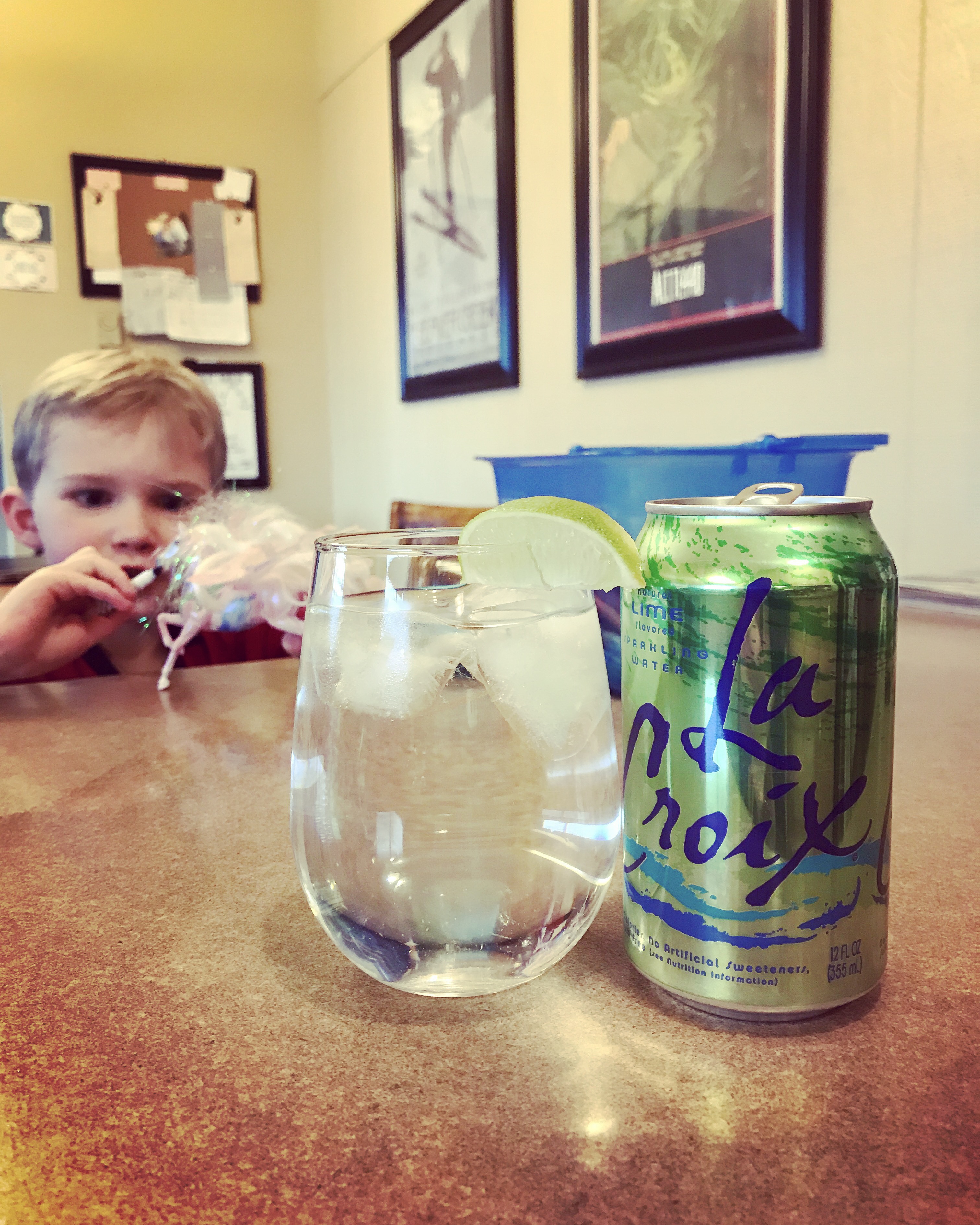
This is me trying to replace a bad habit with one that still provides me with gratification, but that actually does something FOR my body, rather than working against it! Those of you who know me, know I appreciate a good glass of wine! But lately I’ve noticed that the occasional indulgence is not so “occasional” and I’m feeling it; lethargic, lack of energy in the morning, trouble sleeping, etc. Coming home, pouring myself a glass of wine and “taking a load off” has become more of a mindless habit rather than the special treat I used to enjoy once-and-awhile.  And honestly, I don’t think I’m appreciating “good wine” as much as I used to! So rather than completely deny myself, I’m trying to make a conscious decision to indulge less.

The first step in replacing a bad habit with a good one is to IDENTIFY the habit and the TRIGGER. For me, pulling onto my street after a long day has been my “trigger.” Before I know it, that desire to “relax,” the “I deserve this” mentality from playing referee and negotiating with toddlers after hours of commuting, leaves me wanting instant gratification – a nice glass of wine will do right?!

So, here I am working to replace my glass of wine with sparkling La Croix. Now it’s just a matter of mindset and perception; telling myself “I deserve” this ice cold sparkling beverage and taking a moment to truly enjoy it, put my feet up, and decompress. All I have to do is make an intentional choice; train my mind, so when I turn down my street my mind associates feelings of gratification with La Croix, instead of wine.

IMG_1205.PNG
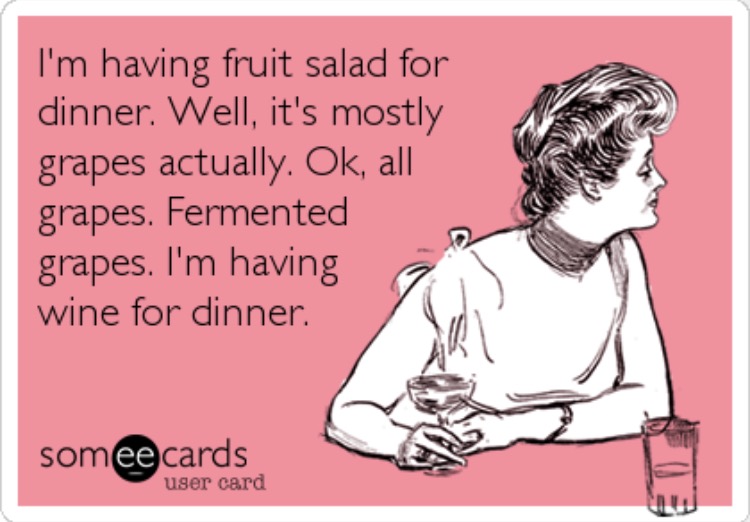
Fruit salad anyone???

Maybe your “wine” is chocolate, or potato chips, or Starbucks. Truth is you don’t really “need” it, what you are truly craving is the emotional high or “reward” that society has told us should be associated with a specific food, treat, or indulgence. Can you imagine if beach resorts advertised pictures of couples sitting by the water with a giant broccoli floret in one hand instead of an ice cold beer? Or if magazines advertised women relaxing on a bed of carrot sticks instead of wrapped in chocolate colored satin sheets as they do in ads for dark chocolate? Thanks advertising agencies for trying to manipulate our minds to associate a chocolate popsicle with the euphoric feelings of sex!

IMG_1206
I’m sorry… what are we advertising for here???

Think about it, what’s one “habit” you have gotten yourself into and you really want to figure a way out? I’d love to hear about it! And maybe we can keep each other accountable… you with your habit and me with my La Croix! 😉

The Beauty of Bacon…

img_9656
Bacon in the morning, bacon in the evening, bacon at supertime!!!

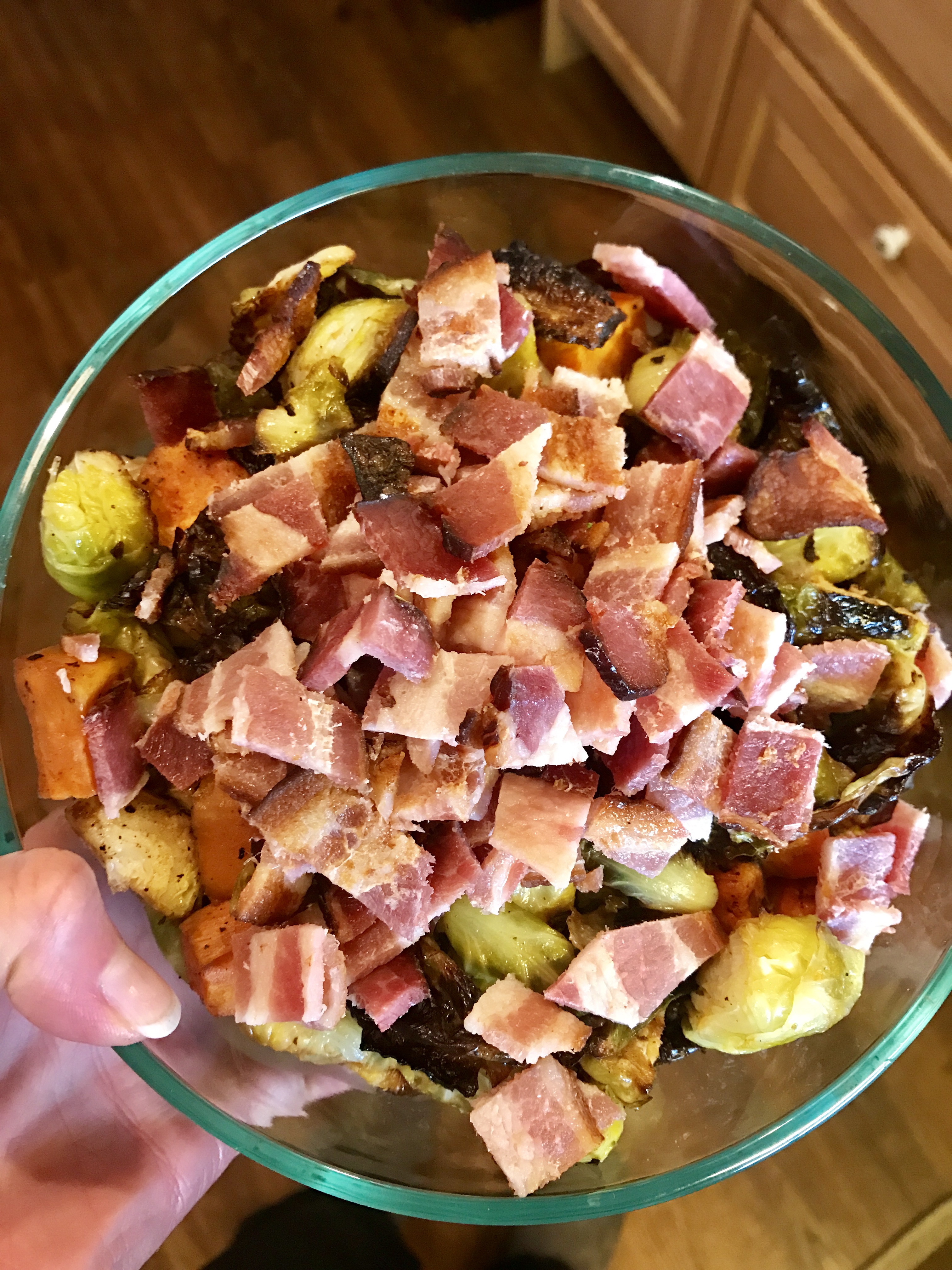
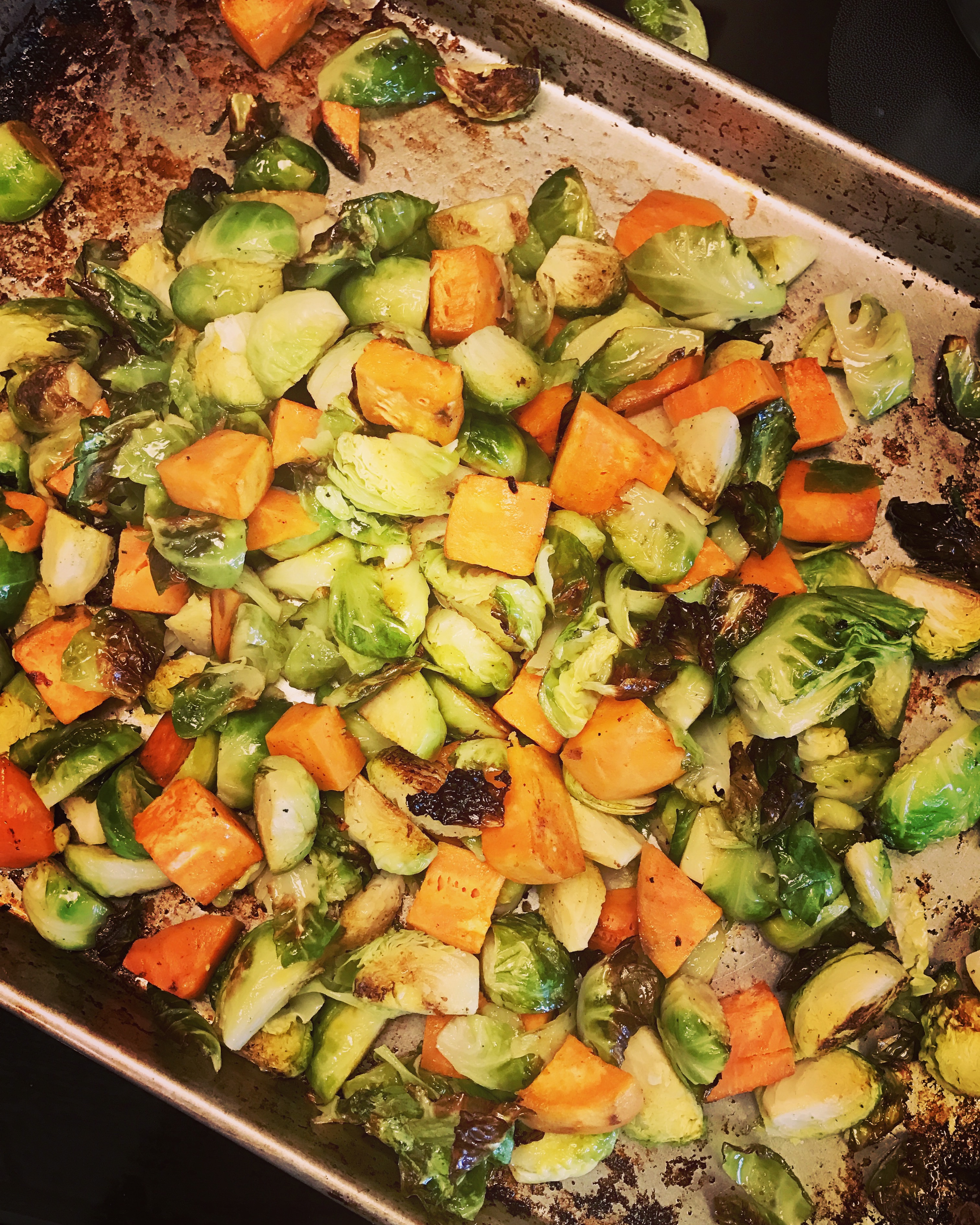
Food prep was going down today… one of my absolute favorites: Brussels sprouts and sweet potatoes roasted in bacon fat! Yep! I said BACON!!!
If there’s one health tip I could give all women out there, it would be to eat more fat, specifically the following:

  • Saturated Fats:  like those found in red meat, cream, butter, ghee, lard, tallow, eggs, coconut oil or palm oil (use organic from sustainable agriculture).
  • Medium-chain triglycerides (MCTs): which are saturated fats our body can digest very easily. MCTs, which are mostly found in coconut oil, behave differently when ingested and are passed directly to the liver to be used as an immediate form of energy. They are also present in butter and palm oil in smaller quantities. MCTs are used by athletes to improve and enhance performance and are great for fat loss.
  • Monounsaturated Fats: also known as “MUFA”, omega 9, and oleic acid are found in avocados, olives, beef and nuts (especially macadamias) and have been known to prevent heart disease.  Oils high in MUFA such as extra virgin olive oil, avocado oil and macadamia nut oil are best for cold use (MUFA are less stable than SFA), for finishing meals or after cooking.


Why? Because life is a marathon not a sprint and we need long-term, sustainable energy to help us endure! So many of my clients still think it’s all about calories in calories out, but not all calories are created equal; the body metabolizes calories from carbohydrates differently than fats. When you eat a diet high in carbohydrates but low in fat, your body gets it’s energy from sugar. This is called a glycolysis state, where blood glucose (sugar) provides most of the energy. This is in contrast to ketosis, a metabolic state in which most of the body’s energy comes from ketone bodies in the blood. Many of you may have seen or heard of the “Ketogenic Diet” or “Keto Diet” which believes that 5-10% calories should come from carbs (net carbs), 15-30% of calories should come from protein, and 65-75% of your calories should come from fat in order to benefit from ketone bodies produced by your liver.

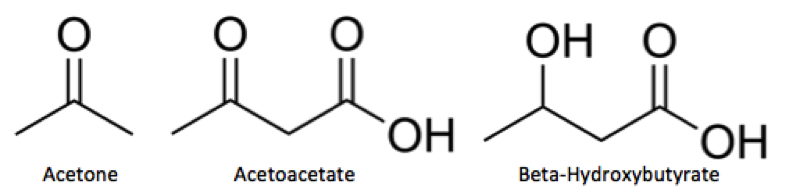
ketones

What are “ketones”?
Ketones are a beneficial product of fat metabolism in the body. When carbohydrate intake is restricted, it lowers blood sugar and insulin levels. As insulin levels fall and energy is needed, fatty acids flow from the fat cells into the bloodstream and are taken up by various cells and metabolized in a process called beta-oxidation.

The end result of beta-oxidation is a molecule called acetyl-coA, and as more fatty acids are released and metabolized, acetyl-coA levels in the cells rise.  This causes a sort of metabolic “feedback loop” which triggers liver cells to shunt excess acetyl-Coa into ketogenesis, or the making of ketone bodies.

Once created, the liver dumps the ketone bodies into the blood stream and they are taken up by skeletal and heart muscle cells at rates of availability.  In addition, the brain begins to use ketones as an alternate fuel when blood levels are high enough to cross the blood brain barrier.

So, what is the ideal fat intake on the ketogenic diet?
The amount of fat varies for all individuals and depends on your goal. In general, you won’t need to precisely count fat intake or calories on a ketogenic diet, because eating food naturally low in carbs will keep you sated for longer.

When you eat this way, your body is burning fat for energy rather than carbohydrates. So your body actually burns either its own body fat or fat that you’re consuming through your diet for its overall energy production. So, less carbs, moderate protein, and high fat is something we have started implementing in our home!

IMG_9653.JPG
We have also started incorporating a lot more cruciferous vegetables because I recently learned that as a breastfeeding mama I am at risk for adrenal fatigue – a condition where your body and adrenal glands can’t keep up with the tremendous amount of daily stress placed on them. Cruciferous vegetables (such as broccoli, cauliflower, and Brussels sprouts) are rich in nutrients, easy to digest, have healing properties, and help replenish your adrenal energy so your system can come back to full health!

So here’s to bacon, Brussels sprouts, and your health! What do you guys think? Have you tried eating this way??? Notice a difference? I would love to hear about your experience!

Happy Valentines Day…

img_9528

Happy Valentine’s Day to my forever Valentine! Someone asked me the other day about dating and relationships. It was funny because I do not consider myself a “pro” in this area but a constant “work in progress.” Levi and I work hard on our relationship every day and it is not always a “walk in the park” – so don’t let this picture fool you. I am on my knees praying for him and our relationship daily, and many of those prayers are about asking for humility and God’s grace and forgiveness for my humanness, imperfectness, and selfishness. Levi is about as easygoing as they come and I’m like a fiery, passionate, crazed wild stallion; unpredictable with a tendency to be a slave to my emotions. So when I was asked about relationships the other day, I had to think about it for a minute, and here’s what I came up with…
.
.
1. To all my single ladies out there, run fearlessly after Christ and whoever is keeping up with you, consider them a potential partner in life. And, as far as “dating”, remember, until you are married, that gentleman you are seeing is potentially someone else’s husband.  So tread carefully, respect each other, and don’t drag out pain and heartache.  Seek God first, He knows what you need!
.
.
2. Be partners in life: you should complement each other. It’s great to have things in common but also see the value they bring to the table and skills that you maybe don’t have. I am not a handy(wo)man, cannot do anything with a hammer, do not have patience with “projects” and home improvement, and plants come to me to die… so thank God for Levi who thrives in all those areas.
.
.
3. Have a state of the Union: every 3 months, discuss the state of your “union”; things that are going well, things that are not going well, areas you both can improve upon. And don’t be afraid to hurt each other’s feelings; when you really love someone you are not afraid to tell them things that will make them or your relationship better. Reminder, speak from a place of love on this, not anger. And if you are on the receiving end, be open to a little positive criticism that could make you better.
.
.
4. Married ladies: keep it HOT! As my 60+ year old, conservative, Jesus loving mother said at my wedding shower (in front of my entire bridal party, aunts, cousins, and future in-laws), “have a lot of sex.” But for reals, intimacy between married couples is sacred and healthy!
.
.
Finally, put the needs of one another first and lift them up in prayer daily! Relationships do take work so if you are dating, maybe ask yourself, do I want to fight with and fight for this person for the rest of my life??? I can’t imagine doing any of this life, the good, the bad, or the ugly without my Levi! He makes me better!

How to talk to someone struggling with negative body image…

img_8814
This is a question I get almost weekly from my clients and coaches so I thought I would address it here.  As someone who has struggled with disordered eating and negative body image, I can only tell you what has helped me.  Sorry for my French but I went through hell and back through my addiction to disordered eating and body image, and for A LONG TIME!  Sometimes I wish it didn’t happen to me, but then I realize that if I can help one person or inspire one person to make it out alive, then it was worth it.

Disclaimer: This blog post outlines how I would recommend addressing your concerns with another adult (let’s say someone over 25 or older), this is not how I would recommend addressing these concerns with a young girl or adolescent.  I will also state that I am not a doctor or licensed in any way to treat disordered eating and disordered body image which are legitimate diseases and addictions.  I am sharing with you some sincere ways of trying to change the conversation with a friend, co-worker or loved one who may be struggling with disordered eating/body image. If you feel like someone’s health is in immediate danger, that their behavior is beyond that of negative self-talk and you are concerned for their life and livelihood, please seek professional help.  At the end of this blog post I have also listed some professional resources. 

It’s a slippery slope working with someone who only sees their body for what it isn’t or what it can’t do. Essentially you are working to undo what is likely years of negative self-talk and someone who either was told or led by example (a mother or other strong female role model) or influence (an industry, such as those where aesthetic value is placed on your size and look such as modeling, dancing, gymnastics, figure skating, etc.) that your value comes from what your body looks like; what size you are, and how much you weigh.

First off, this couldn’t be farther from the truth.  Your value comes from the fact that you are a living, breathing human, created in God’s image.  If God didn’t see you as valuable, he wouldn’t have sent his only son to die a brutal criminal’s death to save you:

“Before I formed you in the womb I knew you, before you were born I set you apart.”   – Jeremiah 1:5

“For you created my inmost being; you knit me together in my mother’s womb.” – Psalm 139:13

“Indeed, the very hairs of your head are all numbered.  Don’t be afraid; you are worth more than many sparrows.” – Luke 12:7

“I praise you because I am fearfully and wonderfully made; your works are wonderful, I know that full well.” – Psalm 139:14

If you have a friend who maybe struggles with body image and negative self-talk, here are a few tips that have helped me in my own journey to fight back against these lies of negativity:

Tip No. 1: The power of positivity and encouragement.
In my personal experience, the only thing that can undo years’ worth of loathsome self-talk is to be surrounded by people who view fitness as a way of honoring their body and eating as a way of nourishing their body.  You are not going to change if you don’t change your environment and what influences you.  So, if you have a friend or family member who struggles with negative self-talk, change the conversation to one that’s positive and filled with encouragement!

Tip No. 2: Give them time.
Changing someone’s way of thinking and the way in which they perceive themselves can take a long time…months, maybe even years, and even then, that negative talk can still sneak up (as it often tries to do with me).  If we surround ourselves with people who are only speaking positively about their bodies and what they are capable of, it will start to rub off on us and others.   This is where the magic happens in the monthly virtual bootcamps and team of wellness coaches I lead comes into play:  as coaches, we lead these conversations and therefore can control where it goes and reign it in if it gets off track.  If it takes a turn towards negative town, we re-route it back to the positive.  We use words like NOURISH, FLOURISH, HONOR, STRENGTH, POWER, and focus on how we FEEL, not just how we LOOK.  And we celebrate “non-scale victories” – such as “I did my first full-plank push-up today”, or “I did my first set of 10 burpees ever today”, or “I was able to race around the playground today with my kids and roll around with them in the grass without needing a break.”

Tip No. 3:  Continue to encourage – no matter what! 
No matter what/if you are getting any response or getting anything in return…You just continue to show up, support and stay positive.  And each time your friend’s words or self-talk take a turn towards negative town, you steer them back on track.  Example, friend: “I feel so fat today I can’t even do this.”  You: “Well I am doing this, and I can’t do it without you so get down here and do one more push-up with me.”  Help them feel needed, help them feel valued, help them feel important.  It will remind them that they are all those things, despite the size of their pants or number on the scale.

Oswald Chambers says… “A river reaches places which its source never knows. And Jesus said that, if we have received His fullness, “rivers of living water” will flow out of us, reaching in blessing even “to the end of the earth” (Acts 1:8) regardless of how small the visible effects of our lives may appear to be. We have nothing to do with the outflow— “This is the work of God, that you believe…” (John 6:29). God rarely allows a person to see how great a blessing he is to others.”

Be a river.  Don’t worry what you get out of it in return or if you ever see the fruits of your labor, you just keep flowing positivity and encouragement downstream!

Tip No. 4:  An unhealthy relationship with food is most likely present.
Many people who struggle with body image and negative self-talk usually have an unhealthy relationship with food.  They’ve dabbled in extreme, restriction diets, maybe they’ve struggled with binge eating, but most likely they have a love/hate relationship with food.  So, again, you have an opportunity to change the conversation, you have an opportunity to educate them on all the things food CAN do for them, not “TO” them; as they likely just see food as something that makes them “fat”, not as something that “fuels” them.  Focus on food as fuel, focus on food as medicine, focus on food as nourishing their body and something that enables them to do all the things they want to do.

To review, eating disorders and negative body image are not something that should be taken lightly.  In my personal experience, it took the grace of God, a little tough love, a whole lot of support and encouragement, and being around other positive people to help me start to change the conversation in my head, and my heart, from self-hatred to self-care.  Notice I did not say self-love.  For me, personally, the word “care” just had/has more powerful meaning.  When you “care” about something, you are saying you are committing to it for the long term…. I am going to “care” for you insinuates “I am going to be here for the long haul.”  Care is defined as “the provision of what is necessary for the health, welfare, maintenance, and protection of someone or something.”  Love is defined as “an intense feeling of deep connection.”  There are days where my “love” for my body is less intense than other days, but caring for my body requires daily commitment, choices, and actions.  And I think that’s the difference and why that word is so powerful, love is a feeling, and feelings can easily be swayed by many internal or external factors.  Care requires action.  And sometimes the best thing we can do for those struggling with eating disorders and negative body image, is to provide them with small, little action steps they can do daily to take care of their body.  With support and encouragement from friends and family, it is possible to change the conversation and turn what one feels about oneself from hate to love and turn neglect into positive action.

If you are looking for additional resources on this topic, I would recommend the following:

https://www.eatingdisorderhope.com/

https://www.eatingdisorderhope.com/treatment-centers

http://www.center4ed.org/resources.asp

http://www.nationaleatingdisorders.org/

http://www.nationaleatingdisorders.org/find-help-support

If you have additional questions about eating disorders or negative body image and my personal experience, please comment below or email me at jenthornfit@gmail.com.

And if you want to join our team of amazing wellness coaches who support, care, encourage and uplift others, we are currently hiring and would love to welcome you to our positive Team Refine community!  Inquiries can be sent to: jenthornfit@gmail.com
Whole Foods Nutrition and Why I Supplement…

img_8448

What is Whole Food Nutrition???

If you have a pulse then you have probably heard the term “Whole Food Nutrition.” But what does it mean exactly??? Whole food nutrition refers to eating foods in their natural state. It’s the way our ancestors ate food; straight out of the ground, hunting on land and sea, or fishing in lakes and rivers. Whole Food is the completely opposite of “Processed Food”, which I’m sure you have also heard of.

Today I want to talk about whole food nutrition and Shakeology and what goes in to delivering nutrition (from across the world) to you, in a bag. The creators of Shakeology are passionate about two things, whole foods and nutrition. And they are doing everything they can (from soil, to growing, to processing) as carefully as possible to ensure the ingredients in Shakeology are minimally processed. This includes things like investing in painstakingly slow testing procedures to determine at which exact temperature each ingredient should be prepared and which method should be used to preserve the maximum potency of the beneficial ingredient – (such as dehydrating, steaming, baking, etc.), and to leave them as whole as possible so they can be biologically processed by the human body. You see, there are gentler methods to prepare food and herbs in a way that maintains their nutritional integrity without disrupting their beneficial and active compounds so that they can still deliver. The creators of Shakeology have taken the time to carefully examine and understand every single ingredient that goes into Shakeology. They know, specifically, what the active compounds are, they know the exact makeup of each nutrient and micronutrient, so the full spectrum of nutrients are present when they are prepared and inserted into Shakeology.

Creating a healthy lifestyle…

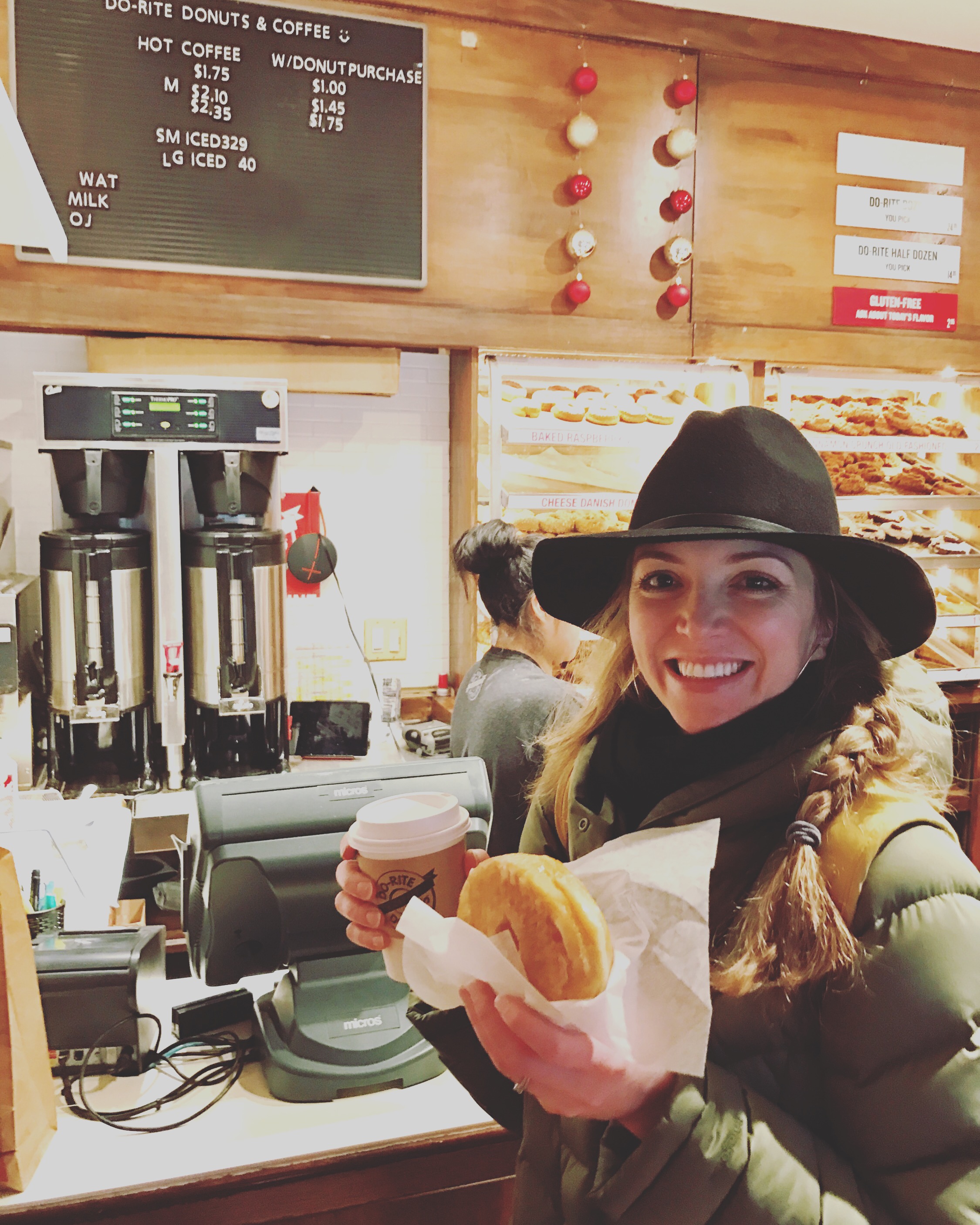
I will be the first to admit that fortunately, or unfortunately, there is no one magic pill. Healthy things add up over time so you can incorporate Shakeology into a days or weeks’ worth of healthy habits, and get the nutrient density from all of these botanicals that have been carefully sourced, along with a lifestyle that includes working out, eating right, getting sleep, eating a well-balanced diet. Health is a multi-pronged approach just as fitness is a journey with no final destination. I will also be the first to admit that this is HARD and takes effort! Did you know that we are the only species that pretends that we “don’t know what to eat”? Why? Because we’ve manipulated our senses; we pass by a Dunkin Donuts and immediately upon getting that whiff of “yumminess” our bodies crave it; we lean towards it, our senses take over and all we can think is “donut, get in my belly!”

Dunkin Donuts is just an example of how our society’s manipulation of fats, sugars, and other macronutrients has contributed to the obesity epidemic in America. In truth, we all really know what to eat (nothing out of a box, fruits, veggies, lean natural proteins) BUT we are constantly bombarded with contaminated everything (our food, the water used to grow the food, the soil in which our food is grown in, radiation from our cell phones/devices, etc.). In reality, if we were eating the way our ancestors ate, which was considered a “full spectrum diet”, and if we didn’t have to worry about pollution (wind, water, soil & air pollution), we wouldn’t have a need for supplements. Shakeology is a supplement; it’s there to fill a gap from the nutrient deficit that we get from “normal” ways of eating today. Shakeology is beneficial in its powdered form because it uses ingredients in their most natural form, extracts out of it which part is most beneficial to the body, and then maximizes what it is that benefits the body.

Source of Ingredients…

You may have noticed that many of the ingredients in Shakeology come from all across the world; they are not just grown or harvested here in the US. That’s because the creators of Shakeology are superfood hunters looking for the most nutrient dense soil/areas with minimal pollution, in which each ingredient is grown. If the vitamins, minerals, antioxidants, etc., are not present in the soil, they won’t be present in the plant. A perfect example of this is that today, an apple grown in the US has 25% of the beneficial nutritional compounds that it did 50 years ago!!! As for some of the more exotic superfoods and nutrients, many of the plants used in Shakeology have beneficial properties that indigenous peoples and mankind have been using for thousands of years; they know what is in there and what exactly is beneficial. With modern science, they now have a process in place – they understand what needs to stay in the plant to deliver on what it’s actually known to be good for. Furthermore, they prepare everything slowly to keep the biological makeup of vitamins, minerals, and phytonutrients intact. The creators of Shakeology have basically fingerprinted every single ingredient and that fingerprint shows specific markers unique to each individual ingredient. They test them individually as well as together to create a perfect balance, a symphony if you will, or compounds. It is no surprise then that they have elaborate testing procedures in place; they test, then blend, then test again to ensure that every single ingredient, from ground to bag, is not compromised.

So what’s the difference between “processed foods” and the Shakeology “process”???

The difference is in the gentler extraction process. Think about the process of preparing loose leaf tea with a tea infuser and hot water, or making guacamole (cutting open a fresh avocado and breaking down the meat inside). Alternatively, think of whole bran cereal, or “bleached flour” – bleached means its white, it means it’s been stripped of almost everything, it is now a reduced ingredient with very little of its original cofactors. Or, in an extreme example, think of fast food, which is stripped, reduced, and re-configured to make it look like food. Reduced food has very serious consequences in the body because our body views that “food” as a foreign invader. This is completely opposite from Shakeology, where the contents of each bag are hand tested to ensure the original blueprint of the beneficial ingredient is still intact. If there is one thing I leave you with today, it is to trust the botanical process of earth, it knows what to do, and fill your body with nourishment from the earth!

Interested in trying Shakeology? Consider joining my “30 days to a healthier you” virtual bootcamp beginning Monday, January 9. Consider this a “gateway” introduction to wellness with a 100% money back guarantee with very little time commitment required, just a decision that you want to take care of and honor your beautiful earthly vessel! Comment here or email me at jenthornfit@gmail.com for additional information!

Pomegranates: The most beautiful, yet intimidating, fruit to prepare…

image

It’s Pomegranate season!!! And if you’re like me and love the idea of using this lusciously beautiful (and healthy) fruit, but were never really sure how to cut, clean, or prepare it… Today is your lucky day! Here is your foolproof way on how to prepare, ideas on how to use, and all the nutritional benefits of incorporating Pomegranate seeds in your diet!

How to prepare a Pomegranate (don’t freak out, it’s actually much easier than you think)…

1. Before you prepare your pomegranate, remove any white clothing or wear an old apron as these babies are messy and their juice stains! Not only will it stain your clothes but your cutting board as well, which, if this happens, can easily be fixed with a little solution of distilled white vinegar or lemon juice.

2. With a sharp knife, slice 1/4-inch off of the stem end of the pomegranate and place the pomegranate cut side down on the cutting board to stabilize it. The pomegranate’s blossom end, the one that looks like a crown, should be on top.

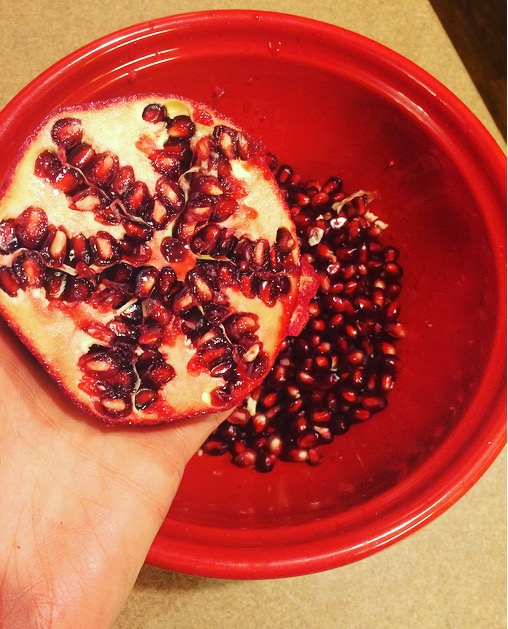
3. Then just cut right down the middle to halve the pomegranate exposing the seeds.

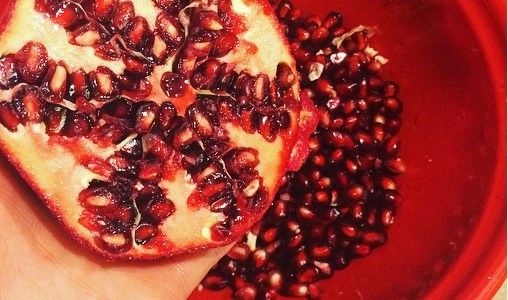
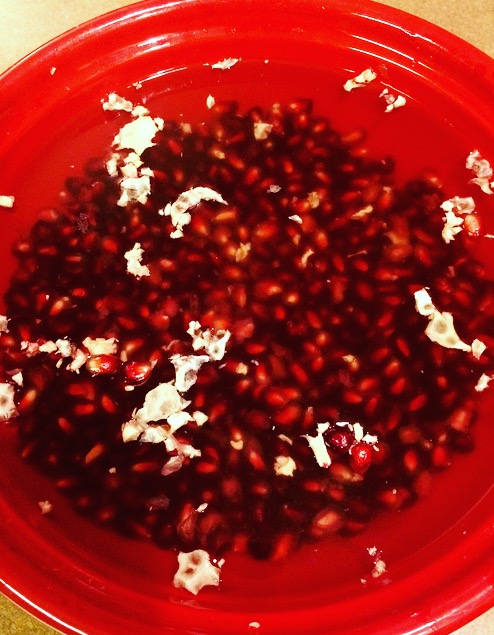
4. For this next part, place a large bowl filled half way with cold water in your sink. Then working in sections, gently use your fingertips to pry away the seeds (or arils) from the peel and membranes. The seeds will sink to the bottom of the water while pieces of membrane will float to the top, making it easier to separate the membranes from the seeds.

image

5. Using a slotted spoon skim the pieces of membrane off the top of the water, stopping to swirl the seeds around several times with your fingers – to allow any lingering pieces to float to the top.

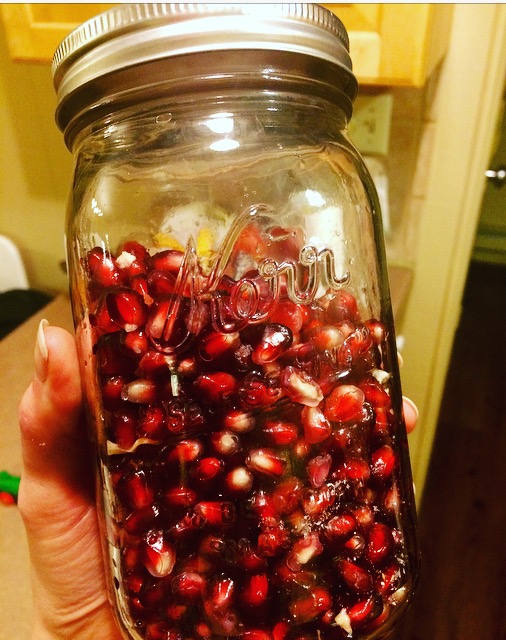
6. Strain remaining seeds and voila… Beautiful, luscious pomegranate seeds for days! You can store the remaining seeds in an airtight container for up to 4-5 days.

image

Our favorite way to enjoy pomegranate seeds are in salads or mixed with plain yogurt and walnuts, or mixed in with our oatmeal!

And these little bursts of sweetness don’t just taste good, they are good for you too…

Research shows that pomegranates can help prevent or treat various disease risk factors, including high blood pressure, high cholesterol, oxidative stress, hyperglycemia and inflammation. Pomegranates have even been shown to provide anticarcinogenic effects. That’s right, pomegranate seeds can prevent and treat certain forms of cancer!

What about pomegranate nutrition? They’re loaded with fiber, vitamin C, vitamin K and potassium. Another list the pomegranate makes — the top 10 aphrodisiac foods!

So now you know how to prepare them, how to enjoy them, and what they do for your body! So eat up buttercup!